What I can help with
Trauma and PTSD, including Complex, Developmental and Relational trauma
I specialise and have trained extensively in the treatment of trauma. Trauma can continue to shape how a person feels, thinks and responds long after the event has passed. When an experience is too overwhelming to be fully processed, it can remain stored in a raw, fragmented form, returning as intrusive memories or nightmares and leading to avoidance, numbness, hypervigilance or a persistent sense of being unsafe. I work with single-incident trauma as well as complex, developmental and relational trauma, where the impact often extends to identity, shame, trust and emotional regulation. Therapy is carefully paced, with stability and safety established before trauma memories are processed.
Anxiety
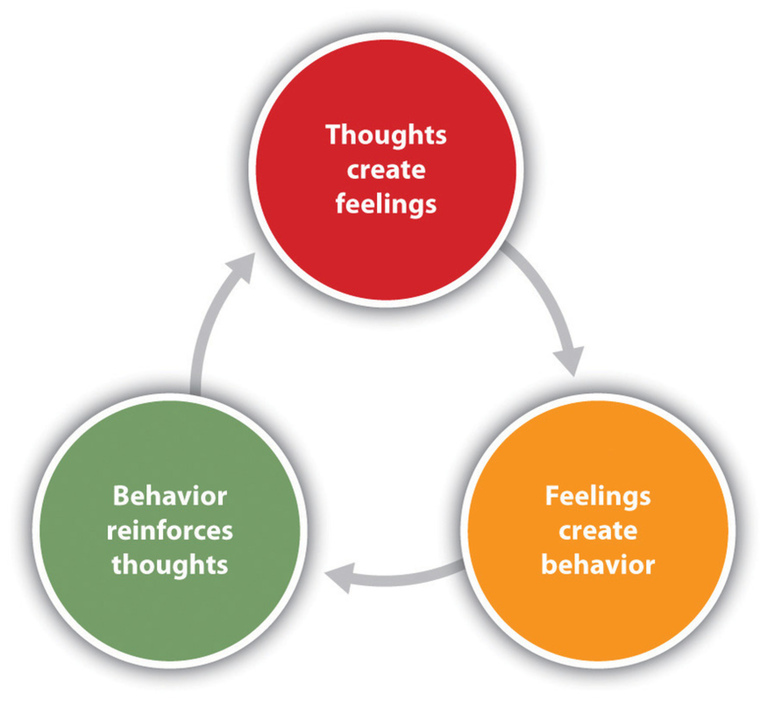
Anxiety takes many forms: persistent worry, health anxiety, social anxiety, panic, phobias, or a constant sense of being on edge. It reflects a threat system working overtime, and it is often maintained by the very strategies used to manage it, such as avoidance, over-preparation, reassurance-seeking or constant monitoring. Therapy helps identify these cycles and build a different response, and, where anxiety has roots in earlier experience, to process those experiences too.
OCD
OCD is often mistaken for tidiness or cleanliness, yet it takes many forms and can be entirely invisible to others. At its core are intrusive thoughts, images or doubts that feel disturbing precisely because they run against a person's values, followed by attempts to neutralise the anxiety or reach certainty. These compulsions are often mental: reviewing, analysing, checking, comparing, researching or seeking reassurance. They bring brief relief but teach the mind that the thought was dangerous, so the cycle tightens. I work with the full range, including contamination, harm-related obsessions, relationship OCD (R-OCD) and sexual orientation OCD (SO-OCD). Therapy focuses on changing the relationship with uncertainty and intrusive thoughts, rather than trying to argue them away.
Depression and low mood
Depression is much more than sadness. It can bring disconnection, exhaustion, hopelessness, loss of pleasure and growing self-criticism. Withdrawal and rumination are understandable responses, but over time they tend to deepen low mood. Therapy looks at what is contributing, in current circumstances as well as longer-standing patterns, and supports change at both a practical and an emotional level.
Low self-esteem, self-criticism and perfectionism
High capability and outward success can coexist with private self-doubt and a persistent sense of not being good enough. Self-criticism and perfectionism often develop as protective strategies, attempts to guard against failure, rejection or shame. While they may drive achievement, they also keep the mind and body under constant threat. Therapy explores where these patterns came from and how they shape the relationship with oneself and others. The aim isn't to lower standards, but to develop an inner voice that supports rather than attacks.
Relationship difficulties
Early relationships shape expectations of closeness, conflict, rejection and intimacy. Patterns such as pulling away, holding on tightly, over-accommodating or struggling with boundaries usually made sense in their original context, but can cause pain in adult relationships. Therapy helps make sense of these recurring patterns, along with fears of rejection or abandonment and difficulties with emotional regulation, and, where it feels right, works with the earlier experiences behind them.
Grief and loss
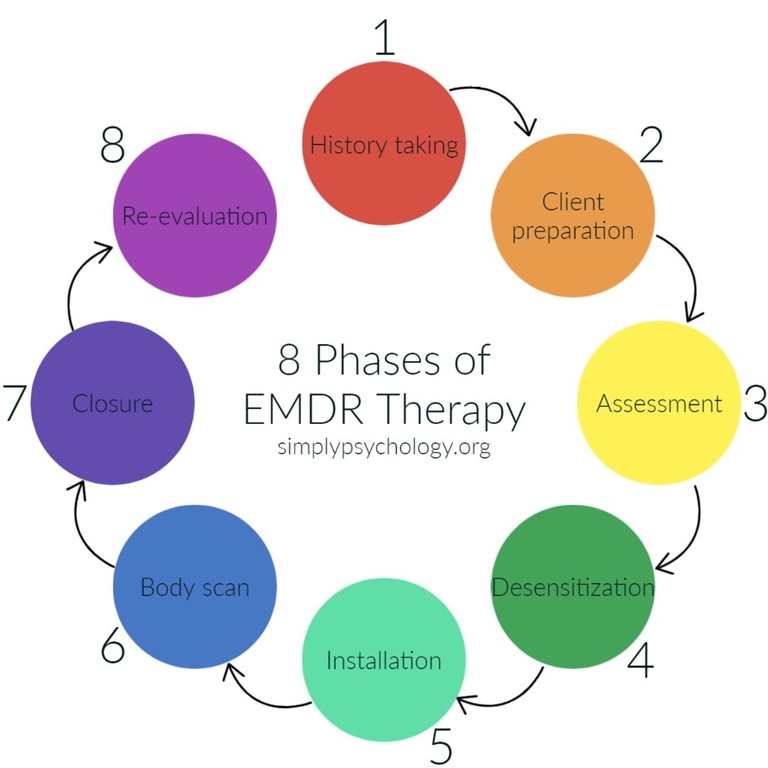
Grief is a natural response to loss, not something to be fixed, and there is no right way or timeline for it. Sometimes, though, it becomes stuck: when a loss was sudden or traumatic, when the relationship was complicated, or when a loss goes unrecognised by others, such as a pregnancy loss, the end of a relationship, or leaving behind a home country or a sense of who one used to be. A current loss can also reawaken earlier ones. Therapy offers space to grieve at a manageable pace, to make sense of what the loss means, and, where distressing images or memories of the loss keep intruding, EMDR can help them settle so that the person can be remembered with less pain.
Neurodiversity
I'm more interested in the person than the label, and the neurodiversity perspective fits that way of thinking: minds work differently, and different isn't deficient. Distress often stems less from neurodivergence itself than from years of adapting to environments that don't fit, sometimes through masking, which can look like coping well but comes at a considerable cost. I adapt therapy to suit the individual, for example through clear communication, a structure that feels comfortable, attention to sensory needs and pacing that works. A formal diagnosis isn't needed; therapy is open whether diagnosed, awaiting assessment or simply wondering. I don't offer diagnostic assessments.